NISIR
Energy Centre
Energy Centre
Harnessing renewable & non-renewable energy for a sustainable, clean-energy future through nuclear analytical techniques, radiometric monitoring, and green innovations.
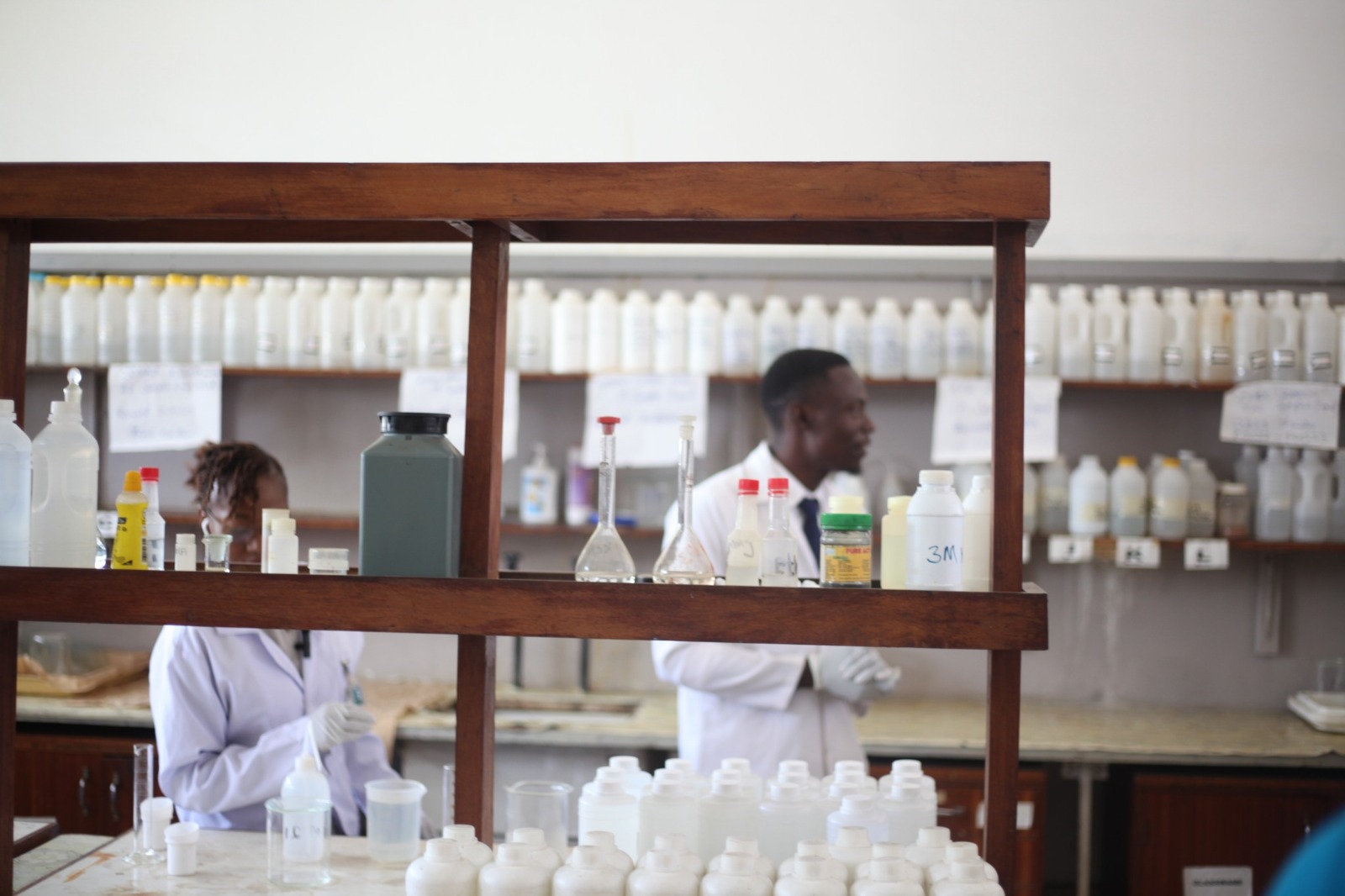
Currently the department houses two main sections the Nuclear Energy Applications and the Analytical Services Programme.
The aim of this programme is to demonstrate the peaceful applications of nuclear energy in nuclear analytical techniques and radiation technology in research and development for sustainable socioeconomic development. The Nuclear analytical laboratory was established in 1988. Under the Nuclear Techniques, the laboratory houses two Gamma spectrometers, Radon monitoring equipment and one Alpha spectrometer. It is the centre of excellence in these analytical techniques. The radiation processing is done using multipurpose Gamma Irradiation facilities currently with the use of Cobalt 60 radioisotopes and Caesium 137 first of its kind in Zambia.
State‑of‑the‑art instrumentation for low‑level radioactivity and environmental monitoring
High Purity Germanium Detector (HpGe) for low‑level radioactivity in environmental samples (water, soils, sediments), foodstuffs, vegetation, and geological ores.
Measurement of radon (Rn‑222) in air using AB‑5, Working Levels Meter & PARC monitors. Essential for underground mines, caves, tunnels and confined spaces – cancer risk mitigation.
Identification and quantification of radionuclides based on alpha particles emitted during decay – ideal for environmental and nuclear forensics.
Fully equipped with Varian (Agilent) AA280FS, Analytik Jena ContrAA800 atomic absorption spectrometers, Shimadzu UV/Vis Spectrophotometer – supporting research on radioactivity, heavy metals, and non‑metals in environmental matrices.
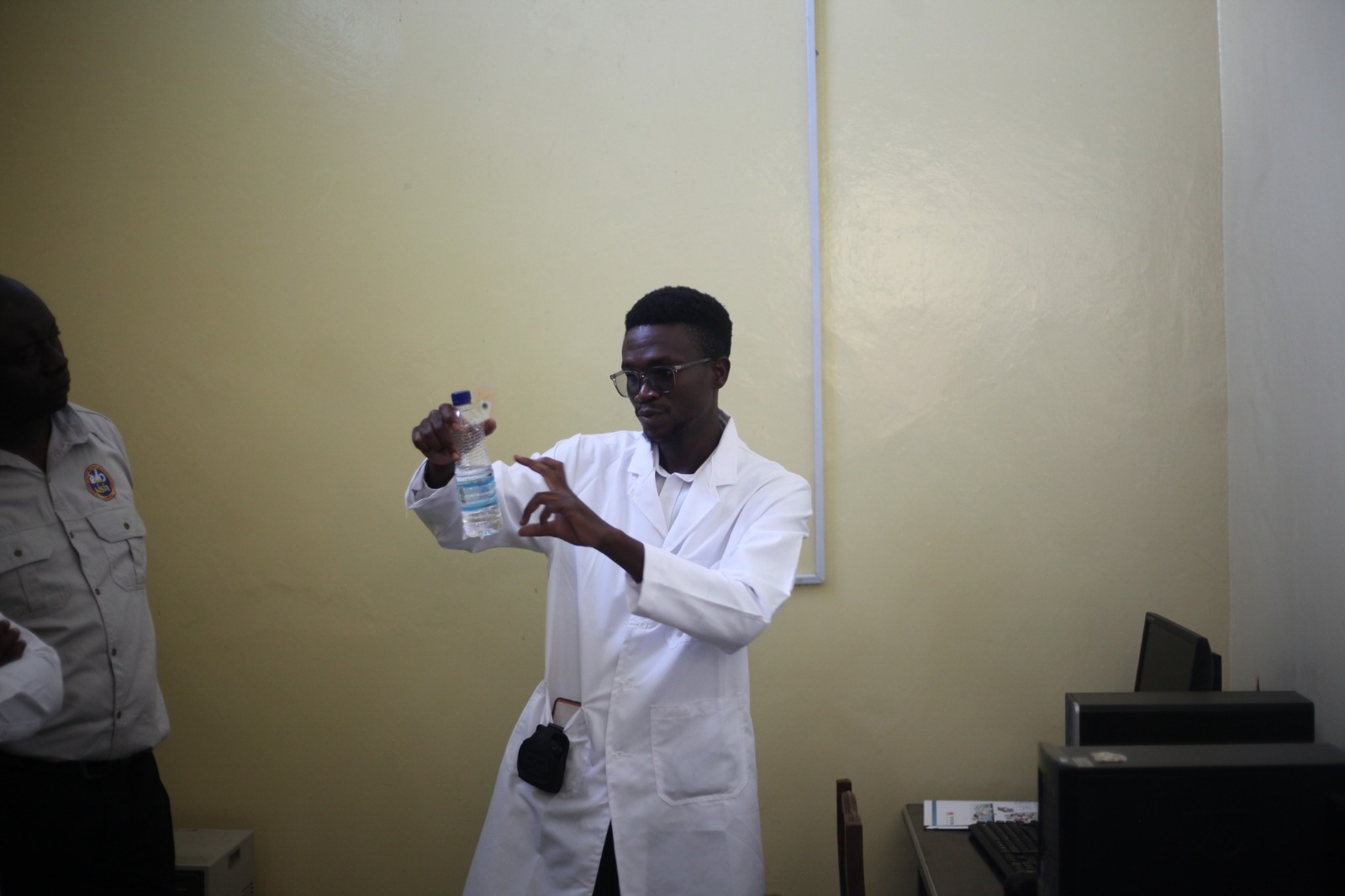
Sustainable, low‑carbon solutions for energy independence
Photovoltaic (PV) systems, solar irradiance mapping, panel efficiency testing, and large‑scale solar farm feasibility studies.
Wind resource assessment, turbine performance, integration into mini‑grids for rural electrification.
Transesterification of vegetable oils, animal fats, and recycled cooking oil; fuel quality analysis (ASTM/EN standards).
Technologies to store energy for later use – critical for balancing renewable intermittency. Research focus: Lithium‑ion battery performance, life‑cycle analysis, and reverse engineering of battery packs for second‑life applications.
Partnerships driving nuclear safety, geothermal exploration, and water‑energy nexus